How to thaw frozen pipes without damaging them
Frozen pipes in St. Paul can crack in minutes if you thaw them wrong. Here is the safe, step-by-step way to open a frozen line without a burst.
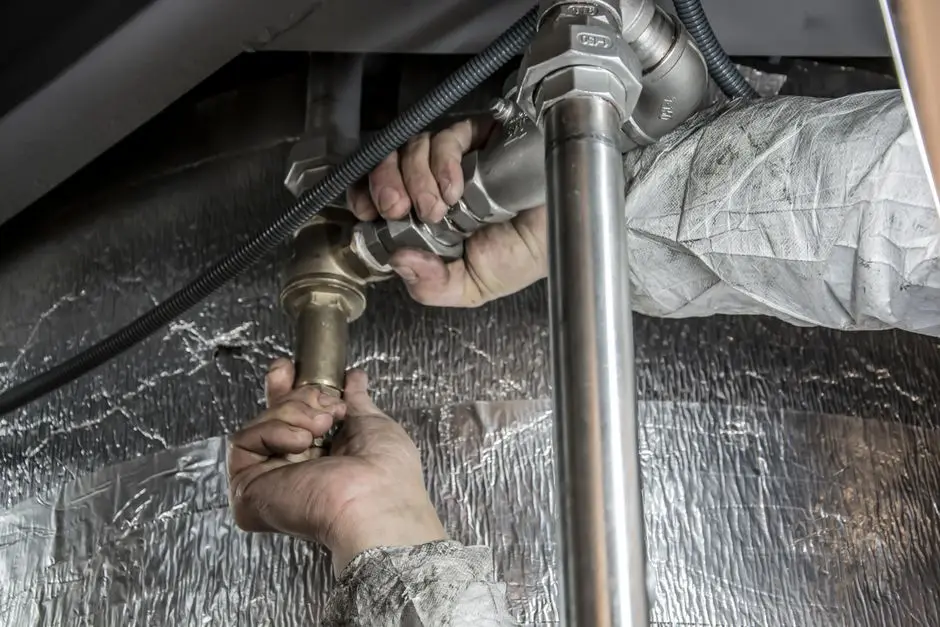
Thawing a frozen pipe without damaging it means warming the pipe gradually from the end nearest the faucet back toward the blockage, using a hair dryer, heat lamp, or wrapped towels soaked in hot water - never an open flame. If the pipe has already split, stop and shut off the water before you do anything else. The rest of this post walks through how to find the freeze, how to open it safely, and when a St. Paul plumber needs to take over.
We run these calls every winter across the city, from century-old homes in Frogtown to newer builds out near Highland Park. The steps below are the same ones our technicians use on a pipe thawing service call.
How do you know a pipe is frozen and not just cold?
A frozen pipe in St. Paul shows up as a faucet that trickles or stops entirely while your neighbors still have water, paired with a pipe that feels frosty or bulged to the touch. Cold water alone does not mean frozen - you need the flow symptom too.
Start at the fixture. Turn on the cold tap closest to the outside wall and let it run for a minute. If you get a weak stream, the ice is probably near that fixture. If nothing comes out at all, the blockage is further back toward the meter or the main.
Then go looking. The usual suspects in St. Paul houses:
- Pipes running along uninsulated exterior walls, especially under kitchen sinks on north-facing walls.
- Lines in unheated basements, crawlspaces, and attached garages.
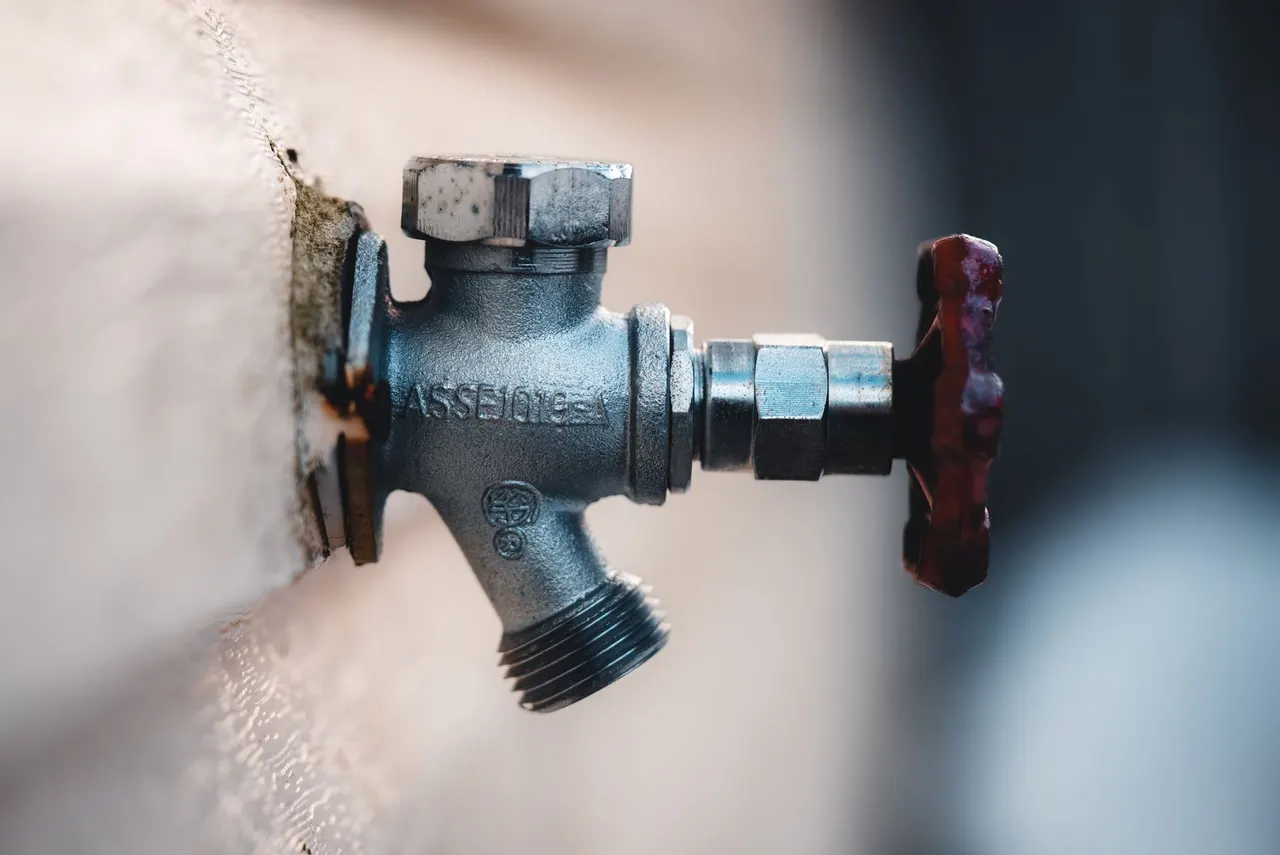
- Hose bibs and the short run of pipe feeding them.
- Any pipe that sits within a few inches of a rim joist or foundation vent.
Run your hand along the suspect pipe. A frozen section feels noticeably colder than the rest and may have a light coat of frost. If you see a bulge or a hairline split, that is a burst pipe, not just a freeze - shut the main valve off and call us.
The safe way to thaw frozen pipes in St. Paul MN
Thawing frozen pipes safely in St. Paul MN comes down to three rules: heat the pipe slowly, start at the faucet end and work backward, and keep the faucet open the whole time so melting water has somewhere to go.
Here is the sequence we follow:
- Open the nearest faucet. Both hot and cold if it is a single-handle mixer. Flowing water carries heat into the line and tells you the moment the ice clears.
- Locate the frozen section. Feel along the pipe until you find the coldest stretch.
- Apply gentle heat. A hair dryer on low, a heat lamp, or towels wrung out in hot water wrapped around the pipe. Move the heat back and forth - do not park it in one spot.
- Work toward the blockage. Start at the end closest to the open faucet and inch toward the ice. This lets meltwater drain out instead of getting trapped behind a plug.
- Watch for the trickle. When water starts flowing steadily, keep the tap running for a few minutes to flush the line.
A typical freeze in a 1/2-inch copper line takes 20 to 45 minutes to clear with a hair dryer. A longer run behind a finished wall can take over an hour. Patience is the whole game - fast heat is what cracks pipe.
If the frozen section is inside a wall cavity, cut the heat source back and let warm room air do the work through an open cabinet door. Forcing heat into a closed cavity is how people scorch framing.
What NOT to use to thaw a frozen pipe
Open flame is the single fastest way to turn a frozen pipe into a burst pipe and a house fire. Propane torches, kerosene heaters, and charcoal are off the table, full stop.
Other things to skip:
- Boiling water poured directly on a pipe. The thermal shock can crack copper and warp PVC.
- Space heaters left unattended. They dry out nearby wood and trip breakers when they share a circuit.
- Hitting the pipe. A frozen line is brittle. A hammer or wrench tap can split it.
- Running the furnace wide open. It helps the room, but it will not reach a pipe buried in a wall cavity.
If you cannot reach the frozen section, or the pipe is behind tile or finished drywall, stop. Cutting into a wall to thaw a line is a job for someone who does it weekly.
Why St. Paul homes freeze the way they do
St. Paul's housing stock is the main reason freeze calls spike here every January. Roughly half the city's single-family homes were built before 1950, and many of those were framed before modern insulation and vapour barrier standards existed.
That shows up in predictable places. In Frogtown Plumber calls, we often find supply lines running through unheated basement corners that were never insulated. In Highland Park Plumber work, the problem is usually a kitchen sink on a north wall with a shallow cabinet and no pipe wrap.
Add our climate to the mix. St. Paul sees an average January low around 7°F, with stretches that drop to -15°F or colder. Pipes in exterior walls freeze when the wall cavity itself drops below 32°F, which happens fast during a multi-day cold snap.
Wind makes it worse. A 20 mph northwest wind pulls heat out of a wall far quicker than still air at the same temperature, which is why the freeze usually hits on the windward side of the house.
Can frozen pipes burst in St. Paul MN?
Yes - frozen pipes burst in St. Paul MN every winter, and the burst almost never happens where you think. Water expands about 9% when it freezes, and that pressure pushes back toward the nearest closed valve or fixture.
So the split often opens up several feet from the actual ice plug, in a section of pipe that never froze at all. That is why a homeowner can thaw a line successfully and still find water running down a wall two hours later.
Watch for these signs after a thaw:
- Water staining on drywall, ceiling, or baseboards near the thawed line.
- A water meter that keeps ticking with every fixture off.
- Damp carpet or a musty smell in the basement.
- A sudden drop in water pressure at other fixtures.
If you see any of these, shut the main off and call for burst pipe repair. A pinhole split can dump 250 gallons or more in a day, and that is before you count the drywall and flooring.
Frozen pipe prevention St. Paul Minnesota homeowners can do
Frozen pipe prevention in St. Paul Minnesota starts with three cheap moves: insulate the vulnerable runs, seal the cold-air leaks, and keep a trickle running on the worst nights.
What actually works, ranked by effort:
- Foam pipe sleeves on any supply line in a basement, crawlspace, or exterior wall cabinet. A 6-foot sleeve runs about $4 to $8 at any St. Paul hardware store.
- Caulk and spray foam around foundation vents, hose bib penetrations, and any gap where cold air reaches a pipe.
- Heat tape on the most exposed runs. Plug-in cable kits run $30 to $80 and use about as much power as a light bulb.
- Open cabinet doors under kitchen and bathroom sinks during cold snaps so room air reaches the pipes.
- Let a pencil-thin trickle run overnight when the forecast drops below 10°F. Moving water resists freezing, and the cost is a few dollars of water.
- Disconnect garden hoses and shut off the interior valve feeding each hose bib before the first hard freeze.
If your home has had the same pipe freeze two winters in a row, the fix is not more heat tape. It is usually pipe repair St. Paul MN to reroute or replace the vulnerable section, or whole house repiping St. Paul MN if the plumbing is original galvanized steel from the 1940s.
One more thing worth doing: if your water heater sits in an unheated garage or basement corner, a cold snap can freeze the inlet line and leave you with no hot water even after the supply thaws. That is a good time to look at water heater repair St. Paul MN before the next cold front.
When to call a professional
Call a professional when you cannot reach the frozen section, when the pipe is behind a finished wall, or when you have already thawed it once and it froze again within 24 hours. Those three cases cover most of the freeze calls we run.
Also call us if you see any sign of a split - bulging pipe, frost with a wet streak, or water where it should not be. Thawing a cracked pipe just releases the flood.
Our team carries the tools to thaw a line without cutting into your wall when it can be avoided, and to open the wall cleanly when it cannot. We handle emergency frozen pipe repair across St. Paul, including same-day service on most calls. If you are searching for frozen pipe help near me in St. Paul MN, we are set up for exactly that.
Frequently Asked Questions
How do I thaw frozen pipes in St. Paul MN?
Open the nearest faucet, find the coldest section of pipe, and warm it slowly with a hair dryer, heat lamp, or hot wet towels. Start at the faucet end and work toward the ice. A typical freeze clears in 20 to 45 minutes. Never use a torch or open flame.
What should I do if my pipes freeze in St. Paul Minnesota?
Shut off the main water valve if you see any sign of a split, then open the nearest faucet and begin gentle thawing. If the frozen section is inside a wall or you cannot reach it, call a plumber. Most St. Paul freeze calls are resolved the same day.
Can frozen pipes burst in St. Paul MN?
Yes. Water expands about 9% when it freezes, and the pressure often splits the pipe several feet from the ice plug. A single pinhole split can leak 250 gallons or more in 24 hours. Check for staining and a ticking water meter after every thaw.
How much does frozen pipe repair cost in St. Paul?
Thawing a single accessible line typically runs $150 to $350 in 2026. Burst pipe repair with a small drywall opening runs $400 to $900. Full repiping of a vulnerable run can run $1,500 to $4,000 depending on length and access.
Who fixes frozen pipes near me in St. Paul MN?
Licensed plumbing contractors handle frozen pipe repair, and we cover every St. Paul neighborhood. Call us at +1 651-372-0726 and we will dispatch a technician with thawing equipment and pipe repair parts on the truck.
Get help with Plumber in St. Paul
If your pipes are frozen and you cannot reach the blockage, or you have already spotted a split, we can be there today. Our technicians thaw lines without cutting into walls when possible, and we quote the price before we start.
Call +1 651-372-0726 and we will get your water moving again.